

Donate
Every donation matters.
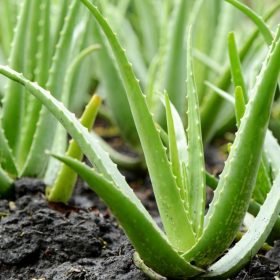
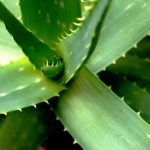
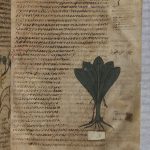
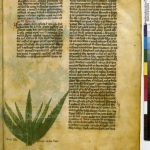
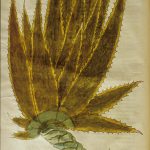
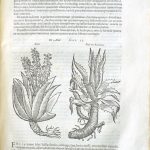
Scientific name: Aloe vera (Asphodelaceae)
Europe – Mediterranean. Probably native to the Arabian Peninsula.
Test History Paragraph
Test Hippocratic Greek
Test Hippocratic English
After References
M. Wellmann (ed.), Pedanii Dioscuridis De materia medica libri quinque, 3 volumes. Berlin, 1907-1914, vol. 2, pp. 28-30.
3.22 ἀλόη· φύλλον ἔχει σκίλλῃ παραπλήσιον, λιπαρόν, ὑπόπλατυ, παχὺ ἐν τῷ περιφερεῖ, εἰς τοὐπίσω κλώμενον· παρ’ ἑκάτερα δὲ τὰ φύλλα ἔχει ἐκ πλαγίων ἀκάνθια ἀραιῶς ἐξέχοντα, κολοβά. καυλὸν δὲ ἀνίησιν ἀνθερικῷ ὅμοιον, ἄνθος δὲ λευκὸν καὶ καρπὸν ἀσφοδέλῳ ἐοικότα· βαρύοσμος δὲ ὅλη καὶ ἀπογευο- μένῳ πικροτάτη. ἔστι δὲ μονόρριζος ὥσπερ πάσσαλον ἔχουσα τὴν ῥίζαν. γίνεται δὲ ἐν τῇ Ἰνδίᾳ πλείστη, ἐξ ἧς καὶ τὸ ὄπισμα κομίζεται· φύεται δὲ καὶ ἐν Ἀραβίᾳ καὶ Ἀσίᾳ καί τισι παραθαλασσίοις τόποις καὶ νήσοις ὡς ἐν Ἄνδρῳ, οὐκ εὔχρηστος εἰς ὀπισμόν, πρὸς δὲ κόλλησιν τραυμάτων ἐπιτήδειος λεία καταπλασσομένη. δισσὸν δέ ἐστι τοῦ χυλίσματος τὸ εἶδος· τὸ μέν τι ψαμμῶδες, ὅπερ ὑποστάθμη τῆς καθαρωτάτης ἔοικεν εἶναι, τὸ δέ ἐστιν ἡπατίζον. <ἐκλέγου> δὲ τὴν λιπαρὰν καὶ ἄλιθον, στίλβουσαν, ὑπόξανθον, εὔθρυπτον καὶ ἡπατίζουσαν, ῥᾳδίως ὑγραινομένην, ἐπιτεταμένην τῇ πικρίᾳ· τὴν μέντοι μέλαιναν καὶ δυσκάτακτον ἀπεκλέγου. <δολίζουσι> δ’ αὐτὴν κόμμει, ὅπερ ἐλέγχεται γεύσει καὶ πικρίᾳ καὶ ὀσμῆς ἐπιτάσει καὶ τῷ μὴ διαλύεσθαι μέχρι ἐλαχίστου ψήγματος θλιβόμενον ὑπὸ τῶν δακτύλων· ἔνιοι δὲ καὶ ἀκακίαν μίσγουσι.
δύναμιν δ’ ἔχει στυπτικήν, ξηραντικήν, [ὑπνωτικήν] πυκνωτικὴν τῶν σωμάτων κοιλίας τε λυτικὴν καὶ στομάχου ἀποκαθαρτικὴν κοχλιαρίων δυεῖν πλῆθος μεθ’ ὕδατος ψυχροῦ ἢ γαλακτώδους πινομένη αἵματός τε ἀναγωγὰς ἐπέχει καὶ ἴκτερον ἀποκαθαίρει μεθ’ ὕδατος τριωβόλου ἢ δραχμῆς μιᾶς ὁλκὴ ἐν ποτῷ· καὶ μετὰ ῥητίνης δὲ καταπινόμενον ἢ ὕδατος ἢ μέλιτος ἑφθοῦ ἀναλημφθὲν κοιλίαν λύει, δραχμῶν δὲ τριῶν πλῆθος τελείως καθαίρει, μιγὲν δὲ τοῖς ἄλλοις καθαρτικοῖς ἧσσον αὐτὰ κακοστόμαχα ποιεῖ. ξηρὸν δὲ ἐπιπασθὲν τραύματα κολλᾷ καὶ ἀπουλοῖ ἕλκη καὶ καταστέλλει, αἰδοῖα δὲ εἱλκωμένα ἰδίως θε- ραπεύει καὶ ἐπαγώγια τὰ χειρισθέντα παρακολλᾷ. θεραπεύει δὲ καὶ κονδυλώματα καὶ ῥαγάδας κιρνάμενον σὺν γλυκεῖ οἴνῳ αἱμορραγίας τε ἵστησι τὰς ἐξ αἱμορροΐδων καὶ πτερύγια ἀπουλοῖ· αἴρει καὶ πελιώματα καὶ ὑπώπια σὺν μέλιτι ψωροφθαλμίας τε καὶ κανθῶν κνησμοὺς παρηγορεῖ καὶ κεφαλαλγίαν μετ’ ὄξους καὶ ῥοδίνου μετώπου καὶ κροτάφων χριομένων· ἐπέχει καὶ ῥεούσας τρίχας σὺν οἴνῳ καὶ πρὸς παρίσθμια δὲ καὶ οὖλα καὶ πάντα τὰ ἐν στόματι ἁρμόζει σὺν μέλιτι ἢ οἴνῳ. φώγνυται δὲ καὶ εἰς τὰ ὀφθαλμικὰ ἐπὶ καθαροῦ καὶ διαπύρου ὀστράκου, μεταβαλλόμενον μύστρῳ, μέχρι ἂν ὁμαλῶς πυρωθῇ· πλύνεται δὲ χωριζομένου τοῦ ψαμμώδους ὡς ἀχρήστου, λαμβανομένου δὲ τοῦ λιπαρωτάτου καὶ λείου.
based on LY Beck, Pedanius Dioscorides of Anazarbus, De materia medica. 3rd edition. Hildesheim, 2017, pp. 186-187.
it has a leaf nearly resembling the squill’s, greasy, somewhat flat, thick where it curves, and curling backward; on each of their edges the leaves have thorns that protrude slightly and that are truncated. It sends up a stem like the flowering stem of asphodel, a white flower, and fruit resembling that of asphodel. However, the entire plant has an oppressive smell and tastes very bitter. It is single-rooted, having its root like a stake. A great deal grows in India from where its extracted juice is exported; but it also grows in Arabia, in Asia, along certain coastal areas, and on islands, as for instance on Andros, being not good for extracting juice but suitable for gluing together wounds when plastered on them. The extracted juice is of two kinds: one, which seems to be the sediment of very pure bitter aloe, is sandy-colored, and the other is liver-colored. Choose it oily and free of stones, gleaming, yellowish, brittle and of the texture of liver, liquefying quickly, and intensely bitter reject that which is dark and hard to break. They adulterate it with gum. That which has been adulterated is proven by taste, bitterness, intensity of scent, and by its irreducibility into fine particles when squeezed between the fingers. Some add also shittah.
It has properties that are astringent, desiccative, soporific, and that serve to close the pores; it loosens the bowel and cleanses the stomach when a quantity of two spoonful is drunk with cold or tepid water, it controls blood-spitting, and it clears jaundice when a dose of one triobolon is taken with water or when one drachma is taken in a drink. Swallowed with pine resin or taken with water or with boiled honey, it loosens the bowel, but a quantity of three drachmai thoroughly purges the bowel, and when mixed with other cathartics, it makes them easier on the stomach. Plastered on dry, it mends injuries, it cicatrizes and reduces sores, it treats especially ulcerated privy parts, and it attaches severed foreskins. Mixed with sweet wine, it treats both callous lumps and fissures, it stops bleeding from hemorrhoids, and it cicatrizes membranes growing from the inner corner of the eye. With honey, it removes both livid spots and black eye, it comforts blepharitis and itching at the corners of the eyes, and when rubbed with vinegar and unguent of roses on the forehead and the temples, it allays a headache. With wine, it stops also the fall of hair, and in combination with honey or wine it is suitable for inflammations of the tonsils, for the gums, and for all conditions associated with the mouth. It is parched on. a clean and very hot shell also for eye medications, being stirred with a spoon until it gets evenly hot. It is washed, removing its gritty element because it is useless and keeping its greasiest and smoothest part.
Aloe vera can help you breathe a cleaner air in your sleep! Unlike most of the plants, it continues to release oxygen and absorb carbon dioxide also in the dark, making it suitable for growing in bedrooms.
Disclaimer Text here..