

Donate
Every donation matters.
A correct identification of the plants according to current taxonomy is a major issue. Contrary to a widespread opinion, we do believe that the plants of the ancient world can be identified, even though it might be with different degrees of plausibility according to the cases. The task is complex. Whereas botanical history has generally assumed (at the very least by default) that the names used in the past to designate plants always referred to the same species across time and space, research makes it clear that this might not have always been the case. Information about plants circulated across the Mediterranean Sea and the plant names (phytonyms) that designated a species typical of one region and its environment might have been applied to a different species of the same genus in another region. To closely reflect the variety of genera and species of the ancient flora across the Mediterranean Basin during the time period considered here, our analysis combined as broad a range of primary material as possible: the textual description of the plants in the scientific literature at different time periods and places; their representations in all available manuscripts and, more recently, in 15th, 16th and 17th century printed books; archaeological remains, traces, and representations of plants from different archaeological sites in all their history; genetics and phylogenetics; and also current distribution, in addition to the medicinal uses of the plants, which might help to discriminate the different species of the same genus. Nevertheless, confusion between species and even genera did occur as several cases illustrate. The Old Herbs monographs disentangle intertwined data and pinpoint mechanisms that led to the assimilation of plants now considered as distinct. Rather than invalidating ancient botanical knowledge, cases like these allow to reconstruct the creation of botanical knowledge and to understand how ancient populations and scientists analyzed their environment.
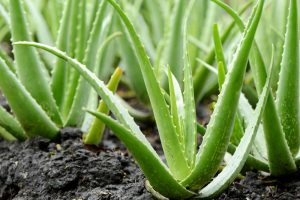
As the "socotrina" name of one of Aloe species indicates, Aloe was originally believed to be native to the island of Socotra, south...
Scientific name: Aloe vera (Asphodelaceae)
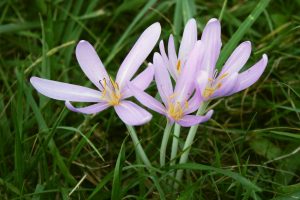
The ancient Greek populations and scientists knew very well the toxic properties of Autumn crocus, which was called "efemeron", that is "[killing] the...
Scientific name: Colchicum autumnale ( Colchicaceae)
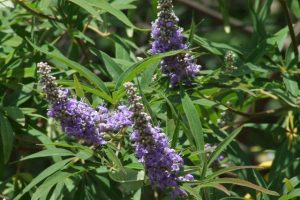
Both "agnus" and "castus" in the scientific name "Vitex agnus-castus" refer to chastity in Greek and Latin, respectively, as the plant was considered...
Scientific name: Vitex agnus-castus (Lamiaceae)
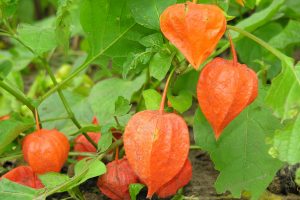
Within the group of the Solanaceae, the Chinese lantern was not well identified in the past. Nevertheless, it was perfectly represented in ancient...
Scientific name: Physalis alkekengi (Solanaceae)
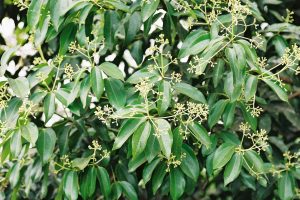
Supposedly coming from Ceylon (now Sri Lanka), the bark of the Cinnamon tree was identified by a great many names, according to the...
Scientific name: Cinnamomum verum (Lauraceae)
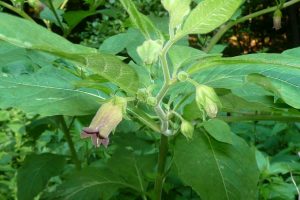
Still used today in ophthalmology, Deadly nightshade became fashionable during the Renaissance.
Scientific name: Atropa belladonna (Solanaceae)
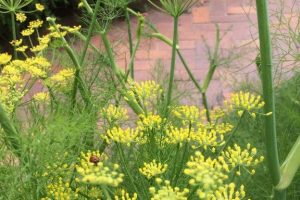
The long hollow stems of Fennel were used by Herakles as a quiver to hide the fire he stole from the Olympian gods.
Scientific name: Foeniculum vulgare (Apiaceae)
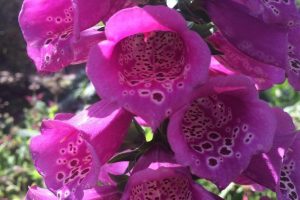
Although the action of Foxglove was discovered only in 1775 by William Withering, its toxic effects were already known in Antiquity.
Scientific name: Digitalis purpurea (Scrophulariaceae)

If we have to believe the ancient historian Herodotus in the 5th century BC, Hemp seeds were burnt by the Scythians in their...
Scientific name: Cannabis sativa (Cannabaceae)
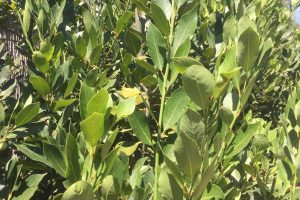
According to Greek mythological accounts, this ubiquitous Mediterranean tree resulted from the transformation of the nymph Daphne by the god Apollo.
Scientific name: Laurus nobilis (Lauraceae)
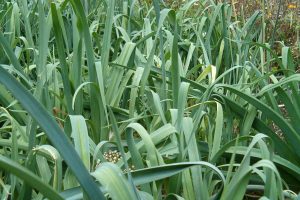
In Antiquity, the same term ("Prason") designed both leek and an alga, probably because of the oblong, undulating shape of leek’s leaves, similar...
Scientific name: Allium porrum (Amaryllidaceae)
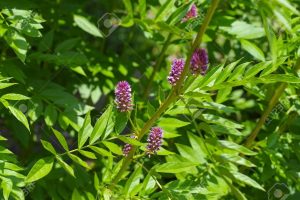
The Greek name of Licorice makes it clear that its root were already chewed in the past as a candy: "glukuriza", or "sweet...
Scientific name: Glycyrrhiza glabra (Fabaceae)
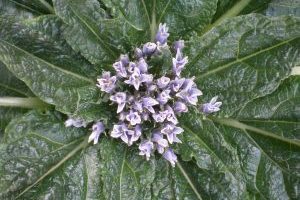
The magic plant of Harry Potter and his fellow students at the Hogwarts School of Witchcraft and Wizardry. Here are the facts.
Scientific name: Mandragora officinarum (Solanaceae)
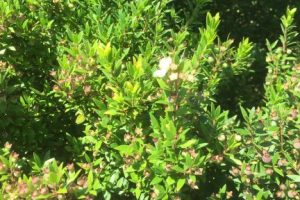
This evergreen small bush with delicate white flowers was linked with the goddess Aphrodite and the gods Dionysios and Hermes, in Antiquity.
Scientific name: Myrtus communis (Myrtaceae)
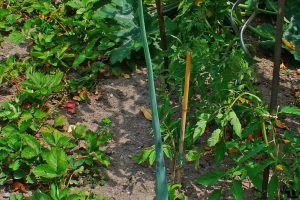
Characterized by its sharp taste, onion was known in a great variety of species om Antiquity: large, white, yellow, and many more.
Scientific name: Allium cepa (Amaryllidaceae)
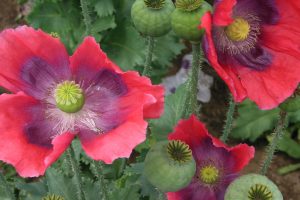
A plant of the Greek goddess of agriculture Demeter, poppy is represented with its capsules on the hat of small Cretan statues dated...
Scientific name: Papaver somniferum ( Papaveraceae)
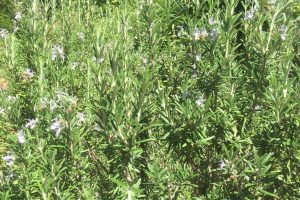
"Libanotis", the ancient Greek name of Rosemary, hints at the long-term history of the plant that was used as incense.
Scientific name: Rosmarinus officinalis (Lamiaceae)
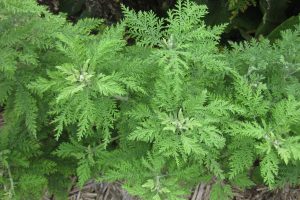
Most probably native to Cappadocia (central Turkey), Southernwood is exactly described by the 1st-century Greek pharmacognosist Dioscorides.
Scientific name: Artemisia abrotanum (Asteraceae)
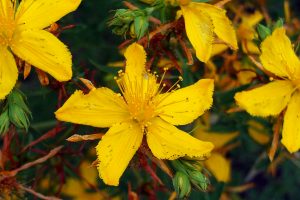
Flowering at Summer solstice, this plant was named in the early centuries of Christianity after Saint John’s day, which is on June 24th....
Scientific name: Hypericum perforatum (Hypericaceae)
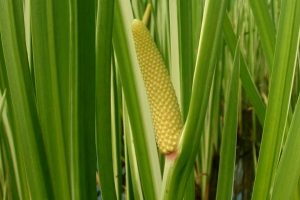
Possibly native to the Himalayas, Sweet flag was supposedly typical of the Black Sea and Crete in Antiquity, something that may refer to...
Scientific name: Acorus calamus (Acoraceae)
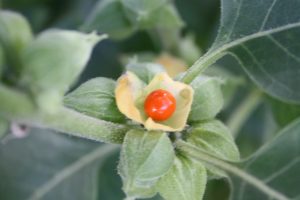
Named in the past by the generic name of plants now identified as Solanaceae, "Withania" was distinguished by the adjective soporific that clearly...
Scientific name: Withania somnifera
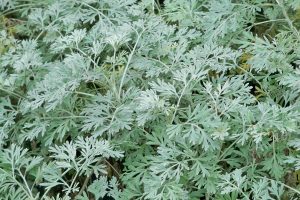
The fashionable 19th-century liquor absinth has been abandoned since, whereas the plant has been used medicinally for millennia.
Scientific name: Artemisia absinthium (Asteraceae)
Disclaimer Text here..